Masonry
Brickwork & Masonry
Brickwork brings individual masonry units, mortar joints, and structural details together into walls, entries, and architectural features.
Explore the service
Classic Masonry Springfield
Tuckpointing and mortar joint repair address deteriorated joints between masonry units while preserving suitable surrounding brick or stone. Classic Masonry Springfield assesses mortar repair requests and discusses compatible materials, joint appearance, and the extent of removal before estimating the project.

Tuckpointing and mortar joint repair address deteriorated joints between masonry units while preserving suitable surrounding brick or stone. Classic Masonry Springfield assesses mortar repair requests and discusses compatible materials, joint appearance, and the extent of removal before estimating the project.
The strongest available mortar is not automatically the best choice. Compatibility with the existing units and exposure matters, especially in older masonry. The objective is a suitable joint repair, not a hard stripe across the face of a softer wall.
Color changes as materials cure and weather. Texture, sand, width, and tooling also affect the look. For highly visible work, discuss the acceptable appearance and the limits of matching before a large area is repaired.
Renewing joints can help sound masonry remain serviceable, but it does not correct every cause of cracking or displacement. A moving or unstable assembly may require additional evaluation or rebuilding rather than simply new mortar.
Show the affected joints and any earlier patches.
Determine the appropriate repair limits and material approach.
Prepare and renew the agreed joints with attention to the surrounding units.
Review the finished area and explain relevant care and observation.
Every project is priced from its own scope. A generic starting price cannot account for the actual condition, access, and work involved. These are the details to discuss.
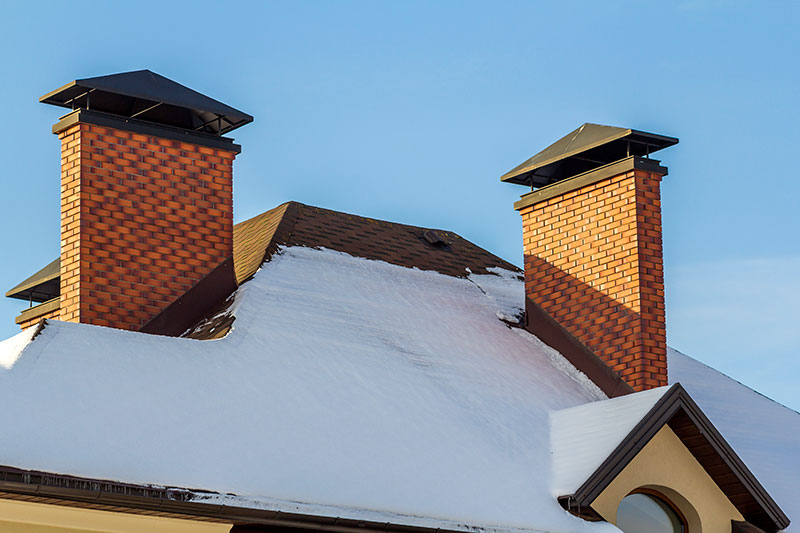
Use this visual reference to explain what you like or what needs attention. Your property's dimensions, existing materials, and construction determine the appropriate scope.
Explore the image collectionBrickwork brings individual masonry units, mortar joints, and structural details together into walls, entries, and architectural features.
Explore the serviceChimney repair addresses deteriorated masonry and related defects so the repair matches the part of the chimney that is actually failing.
Explore the serviceHistoric masonry restoration focuses on preserving useful older brick or stone while addressing deterioration with an approach compatible with the existing work.
Explore the serviceHave a question about your property? Give us a call. The actual condition and scope guide the answer.
(417) 859-6388 ↗People often use the words interchangeably when requesting mortar repair. Traditional tuckpointing can also describe a decorative joint technique. Explain the condition and finish you need so the estimate names the intended work.
A thin surface smear is not equivalent to an appropriately prepared joint repair. The preparation and repair depth must be suitable for the condition of the existing masonry.
The mortar and masonry units work together. An unsuitable repair can behave differently from the original assembly, which is especially important when working with older or softer materials.
It may address water entry through failed joints, but leaks can involve crowns, caps, or roof details as well. The water problem should be assessed rather than assigning every leak to the mortar.
A perfect match cannot be assumed. Existing weathering, mortar ingredients, and joint tooling affect the result. Discuss appearance expectations before approving the scope.
Joint quantity, preparation, masonry condition, matching, and safe access determine the estimate. A small but difficult chimney repair can involve different labor from an accessible wall.
Tell us what you are planning. We will help define the next step and the estimate your project needs.